
Several articles giving an in-depth look at our core design principles and how they are reflected as seaworthy, stable vessels sailing the oceans.
Philosophy Behind The Ethnic Approach
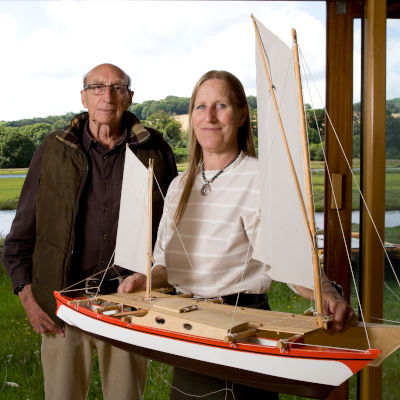
An overview of James Wharram Design’s core design principles and how new designs are created to reflect these principles. “Watercraft and living on the sea is one of the ‘arch-types of our sub-conscious’. We design boats to fulfil this need by not only supplying a boat design, but also encouraging – through design – a lifestyle suitable for sea living, using simplicity as its basis. Simplicity leads us to look for the most appropriate, cost-effective building materials.”
Thoughts On Multihull Design
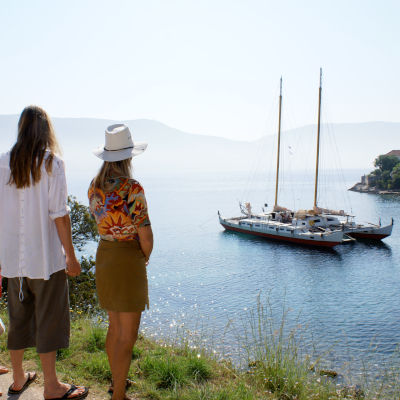
Featured in a 2017 issue of ‘Multihulls Quarterly’ magazine. James Wharram, a pioneer of catamaran and multihull design, offers food for thought from a perspective of 50 years of design and boat building.
Heavy Weather Sailing on Wharrams
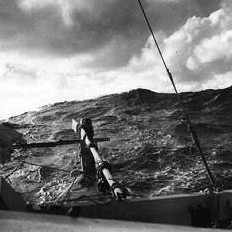
How the design of Wharram catamarans is influenced by the experiences of many ocean storms. “Some multihull designers find inspiration on the screen of the computer. I find inspiration when I am s**t scared at the rapid approach of a huge white capped wave. It is as if the adrenaline of ‘how do I get out of this?’ gets connected to ‘how do I design my way out of this?‘”
The Wharram Wingsail Rig
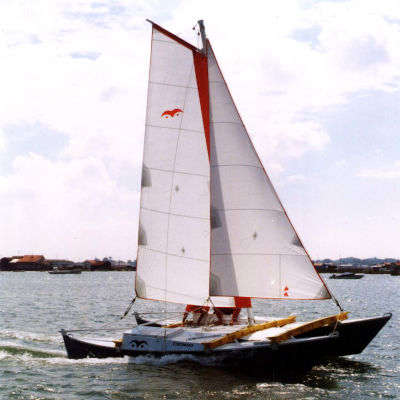
First designed in the early 1980s for the Tiki 21, the unique Wharram Wingsail Rig is a simple, aerodynamically clean sail rig. It is now available for use on all Wharram designs as sloop, or schooner rig. “My biggest design problem for 40 years was solved. Two masted rigs have smaller, easier handled sails and lighter gear than single masted rigs. On multihulls they also have, most important, a lower centre of effort than single masted rigs, giving less capsizing force”.
Freeboard and Windage
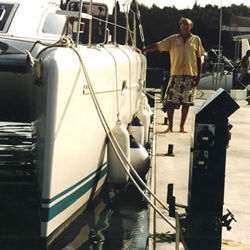
Freeboard affects the windage and hence the windward sailing ability of a catamaran. This article written for an Australian yacht magazine in 2003 looks at the origins of multihulls and what makes them work. “With durable awning fabrics, webbing straps, Velcro and zippers, one can create a variety of centre-deck tent-cabins, sheltered from the elements. Remove this windage when sailing, and you get the sailing efficiency of a true responsive sailing catamaran”.
Catamaran Stability
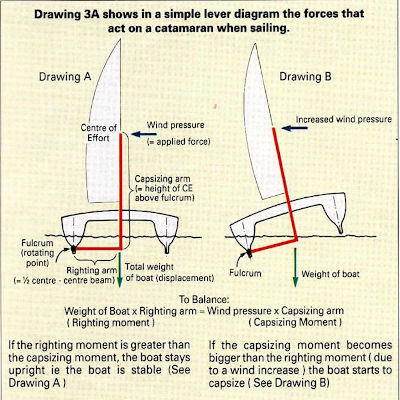
What makes a multihull stable. This seminal article was published in several yachting magazines. It is still as valid today as when it was written in 1991. “A cruising catamaran designed to these principles gives no stability problems to the average yachtsman and his family, enjoying its broad decked upright sailing”.
Design Discussion
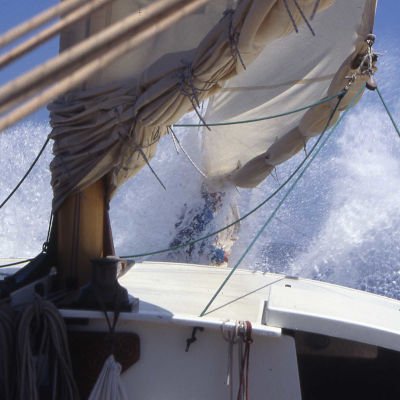
In this article James compares Pahi 63 Spirit of Gaia’s design features with those of the charter Pahi 52. Spirit of Gaia’s Wingsail Rig is tried and tested by other catamaran sailors.